In a world where kids are more tech-savvy than their parents, YouTube has become the go-to playground for young minds. With endless videos that range from hilarious cat antics to DIY science experiments, it’s hard to resist the allure of this digital wonderland. But as parents wonder whether their little ones are being entertained or indoctrinated, the question arises: is YouTube bad for kids?
While it offers a treasure trove of educational content, it also serves up a buffet of distractions and questionable influences. With every click, kids might find themselves diving into rabbit holes that lead to bizarre challenges or ads for toys they never knew they needed. So, is YouTube a magical tool for learning or a sneaky villain in disguise? Let’s explore the good, the bad, and the downright quirky aspects of YouTube that every parent should know.
Overview of YouTube Usage Among Kids
YouTube serves as a major platform for children, with 81% of kids aged 6 to 12 engaging with it regularly. Kids spend, on average, 1 to 2 hours per day watching videos. Popular content includes cartoons, DIY tutorials, and gaming streams, catering to diverse interests and learning styles.
Parents often find themselves balancing YouTube’s educational potential against its distractions. Various educational channels offer valuable knowledge in science, math, and the arts. Channels like CrashCourse and SciShow provide engaging lessons that spark curiosity.
Exposure to diverse cultures and ideas occurs through global content creators. This variety can foster understanding and empathy among young viewers. However, inappropriate content raises concerns for many parents. Algorithmic recommendations may lead kids to unsuitable or harmful videos, necessitating supervision and guidance.
Some parents utilize YouTube Kids, an app designed specifically for younger audiences. This platform offers a filtered selection of videos, providing a safer viewing environment. Despite its intentions, occasional lapses can still present challenges for children.
Engagement analytics reveal that kids often mimic behavior seen in videos. Influential figures on the platform may shape attitudes and preferences. Content creators wield significant power to influence young audiences, which can be both beneficial and detrimental depending on the content.
Digital safety measures become crucial for navigating the platform. Resources like parental controls and monitoring apps help ensure a balanced viewing experience. Enhanced knowledge about content diversities prepares parents and kids to interact positively with this vast digital landscape.
Potential Negative Effects of YouTube
YouTube presents several potential negative effects on children. Understanding these aspects helps parents make informed choices.
Impact on Mental Health
Excessive screen time linked to YouTube may contribute to anxiety and depression in children. Studies show that children who spend more than two hours per day on screens report higher rates of mental health issues. Content often portrays unrealistic standards, fostering feelings of inadequacy or low self-esteem among young viewers. Additionally, the addictive nature of scrolling through videos can lead to sleep disturbances. Prioritizing healthy consumption habits reduces these risks and promotes better emotional well-being.
Exposure to Inappropriate Content
Children may encounter inappropriate content despite parental controls. Algorithmic recommendations often lead them to videos that contain violence, inappropriate language, or adult themes. Studies indicate that children exposed to such content are more likely to imitate negative behaviors. Incidents of cyberbullying in comment sections also highlight the platform’s darker side. Parents must actively monitor viewing habits to minimize exposure and ensure safe content consumption for their children.
The Role of Parental Guidance
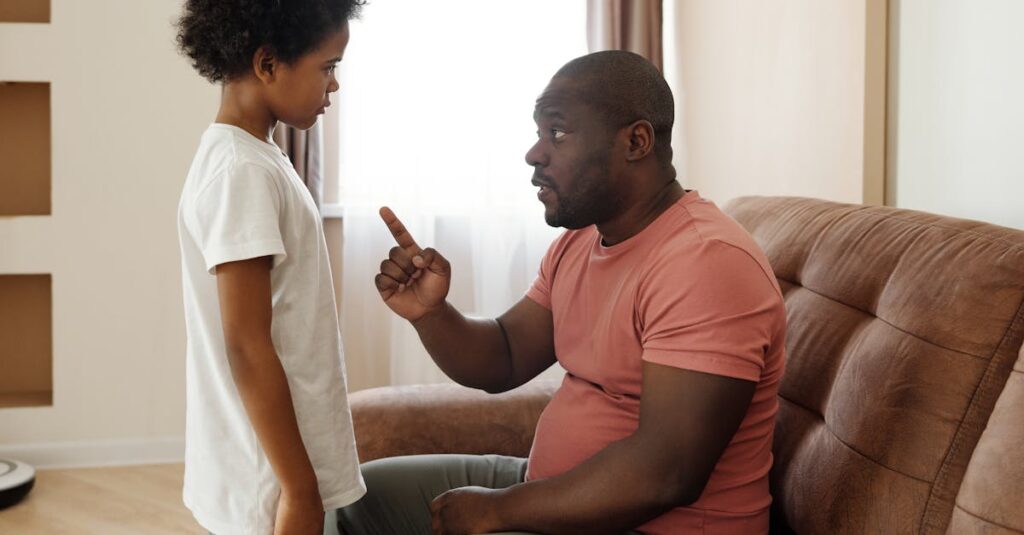
Parental guidance plays a crucial role in shaping children’s YouTube experience. Parents need to monitor and engage with their children’s viewing habits actively.
Monitoring and Setting Limits
Monitoring viewing habits fosters awareness of content consumed. Setting time limits helps manage screen time effectively. Parents can establish daily viewing time, keeping it to 1 to 2 hours as recommended. Engaging in conversations about the videos watched can also help kids process what they see. Discussing themes from popular content encourages critical thinking. Parents equipped with knowledge about trends empower their children to identify appropriate content independently.
Utilizing YouTube’s Features
Utilizing YouTube’s features enhances safe browsing. The “Restricted Mode” offers an additional layer of protection by filtering out inappropriate content. YouTube Kids presents a curated selection of videos, ideal for younger audiences. Exploring playlists or channels focused on educational content promotes learning while entertaining. Parents can create customized playlists for their children, ensuring targeted viewing experiences. Engaging with these tools allows parents to curate a safe and educational environment on the platform.
Balancing Screen Time and Other Activities
Parents play a vital role in balancing screen time with other activities. Setting specific limits for YouTube usage helps children engage in alternative pursuits. Research shows that children aged 6 to 12 typically spend 1 to 2 hours on YouTube daily. Keeping that in mind, parents can introduce various offline activities, such as sports, reading, or art, to encourage a well-rounded lifestyle.
Encouraging family time without screens strengthens relationships and fosters communication. Establishing device-free zones, like at the dinner table, promotes meaningful interactions. Combining educational YouTube content with hands-on projects can also enhance learning experiences. Parents can support this approach by finding projects related to subjects from videos, merging online learning with physical engagement.
Taking breaks from screens significantly benefits mental health. Studies indicate that children who limit screen time experience lower rates of anxiety and depression. Parents promoting outdoor play can offer kids fresh air and exercise. Sports activities provide not only physical benefits but also social interactions essential for development.
Utilizing tools like YouTube’s “Watch Later” feature may help manage content consumption effectively. Encouraging critical discussions about what children watch prepares them to analyze and interpret media better. Engaging in activities like creating videos together can also inspire creativity while maintaining a healthy balance.
Promoting balance between YouTube usage and other activities ensures children reap educational benefits. Enhancing their daily routines with diverse experiences lays the groundwork for a well-adjusted digital citizen. Prioritizing this balance safeguards children against the potential pitfalls of excessive screen time, fostering a healthier approach to using digital media.
YouTube can be a double-edged sword for kids. While it offers educational content and exposure to diverse ideas it also presents risks that shouldn’t be overlooked. Parents must take an active role in guiding their children’s viewing habits to ensure a balanced experience. By setting limits and fostering discussions about what they watch families can enhance the positive aspects of YouTube while mitigating potential harm. Creating a safe digital environment is essential for children to thrive in today’s media-rich world. With the right approach parents can help their kids navigate YouTube effectively and responsibly.